10th Dance Education Biennale 2026 Berlin
Variation – Precise and Unlimited
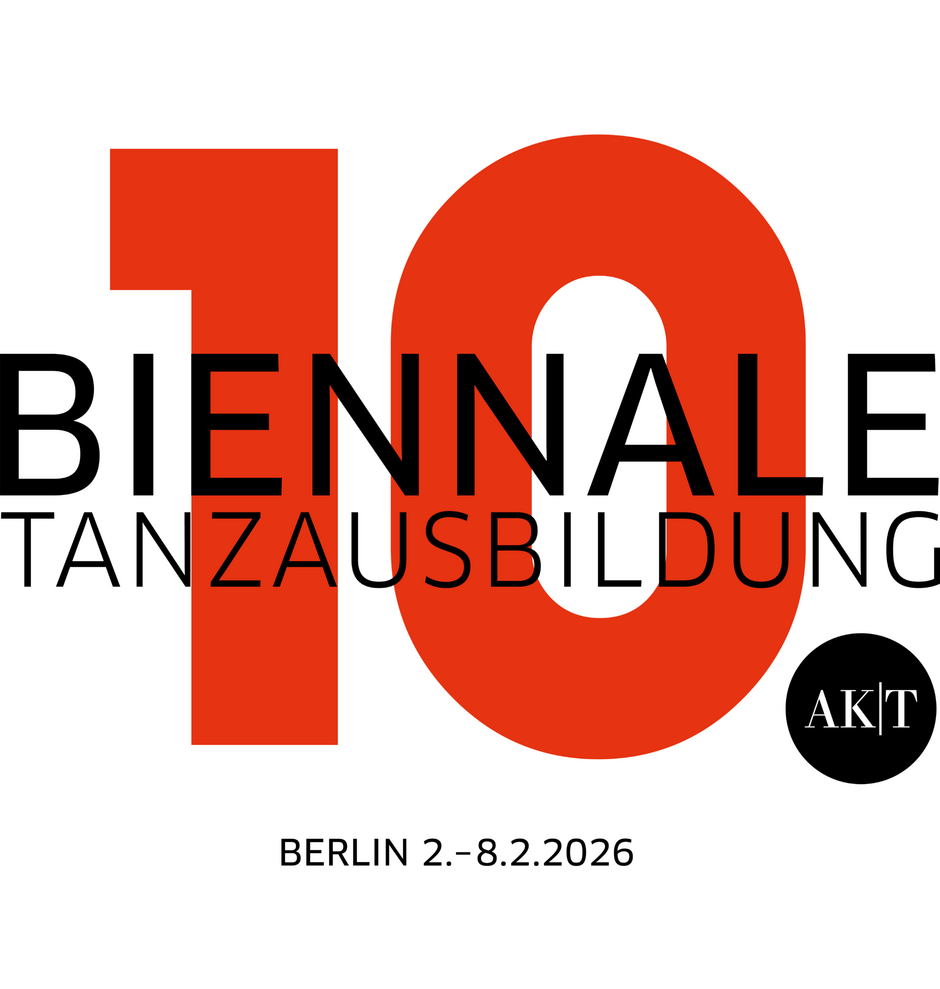
On the theme of the 10th Dance Education Biennale 2026 Berlin
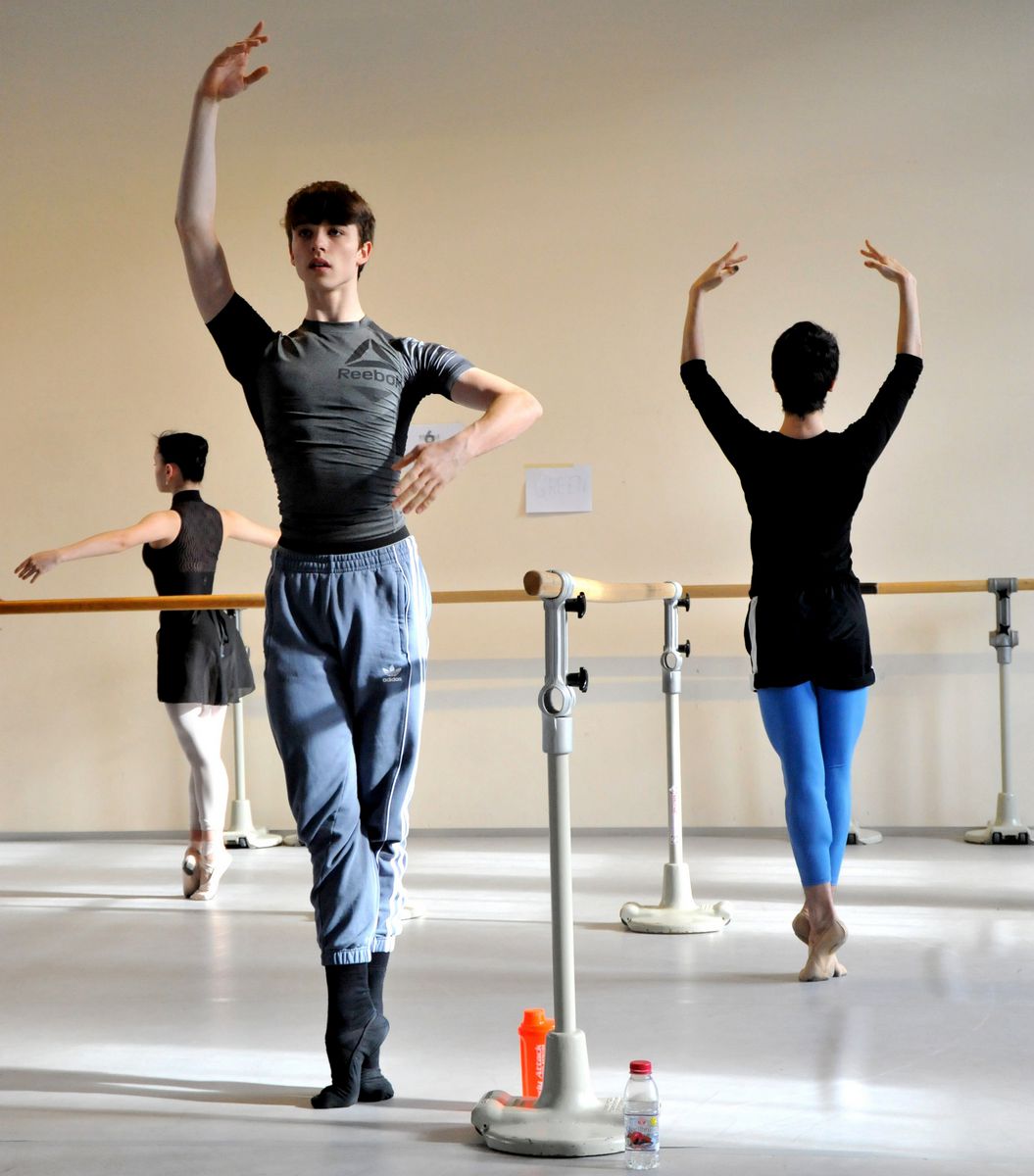
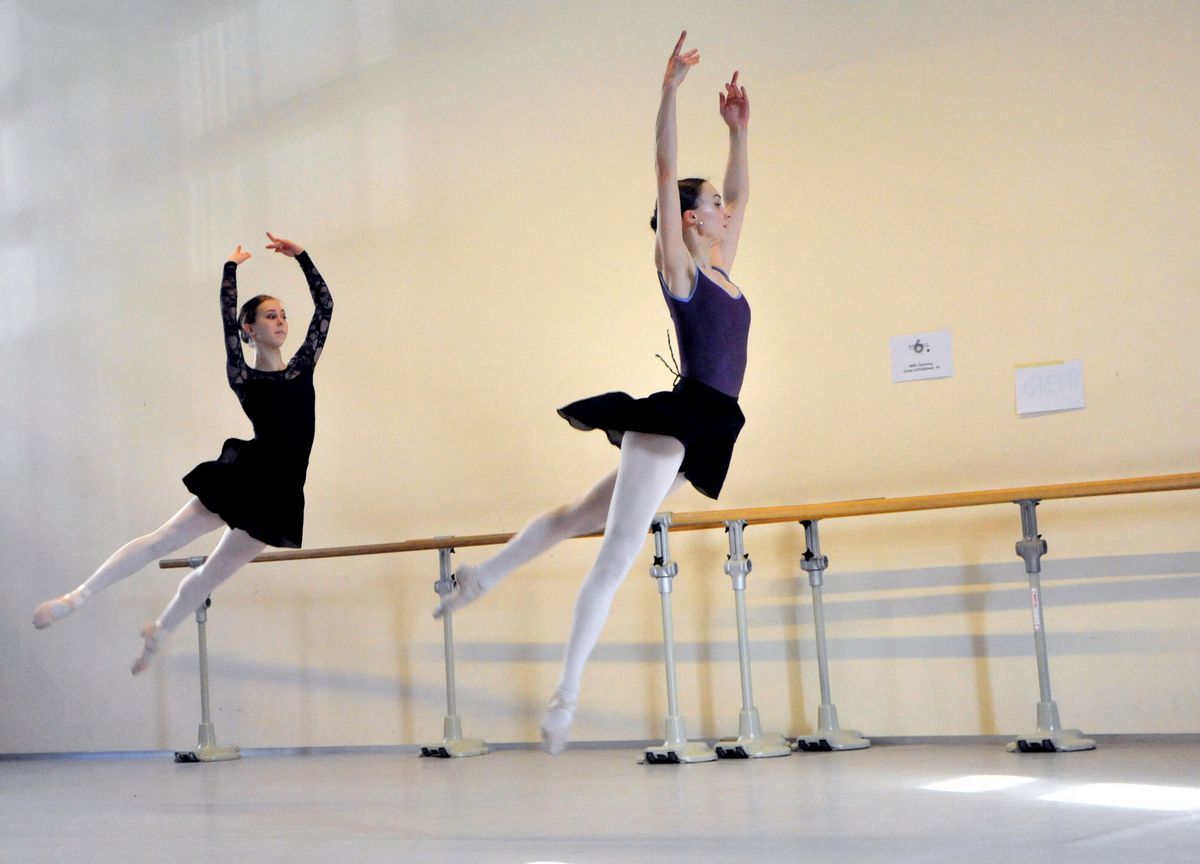
How do we demand the utmost precision from dance while still opening up the creative space so that the artistic personality can unfold dynamically and creatively? The “10th Dance Education Biennale” will take place at the State Ballet School Berlin, which will celebrate its 75th anniversary in 2026 and, as a state-supported institution, offers sophisticated, highly qualified training in classical and contemporary dance. The upcoming biennale is dedicated to the theme of “Variations,” foregrounding two poles: precision and limitlessness. It is precisely the combination of these qualities, the courage to embrace the unlimited possibilities of creativity, and precise work and dedication to detail that make it possible to expand the color palette of dance so that the art transcends itself. The title invites you to delve into the artistic processes of classical and contemporary dance, to explore variations and progressions, and to utilize the potential of these techniques. Precision sharpens the eye, limitlessness opens it to everything that moves the dance world today—what challenges it and what unites it.
Public Events
2 & 3 February 2026 | 7 pm
Tickets 15 Euros
Performances at Theater an der Parkaue
7 February 2026 | 3 & 4 pm
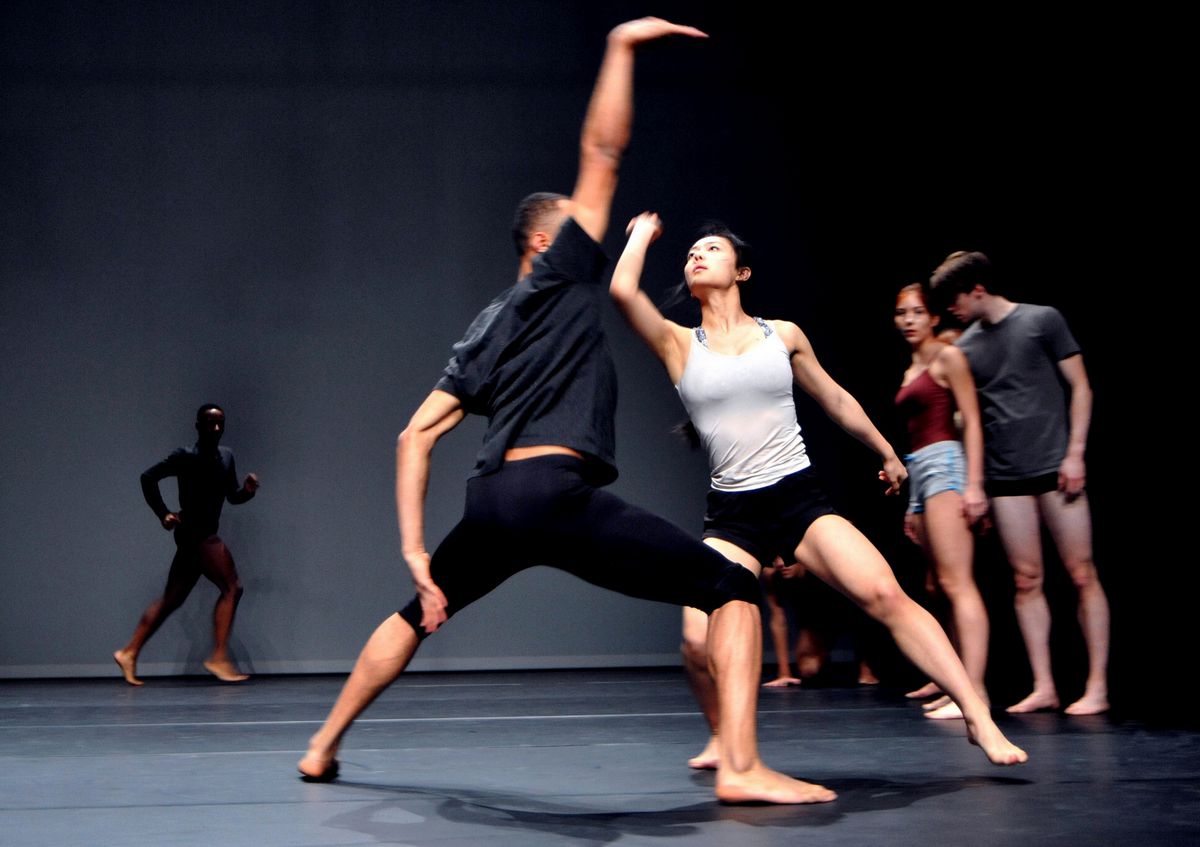
Final performance: Around 100 students will present the dance project "Desperado," developed in collaboration with Nicholas Palmquist, in the foyer of the Humboldt Forum. (Free admission)
Archive
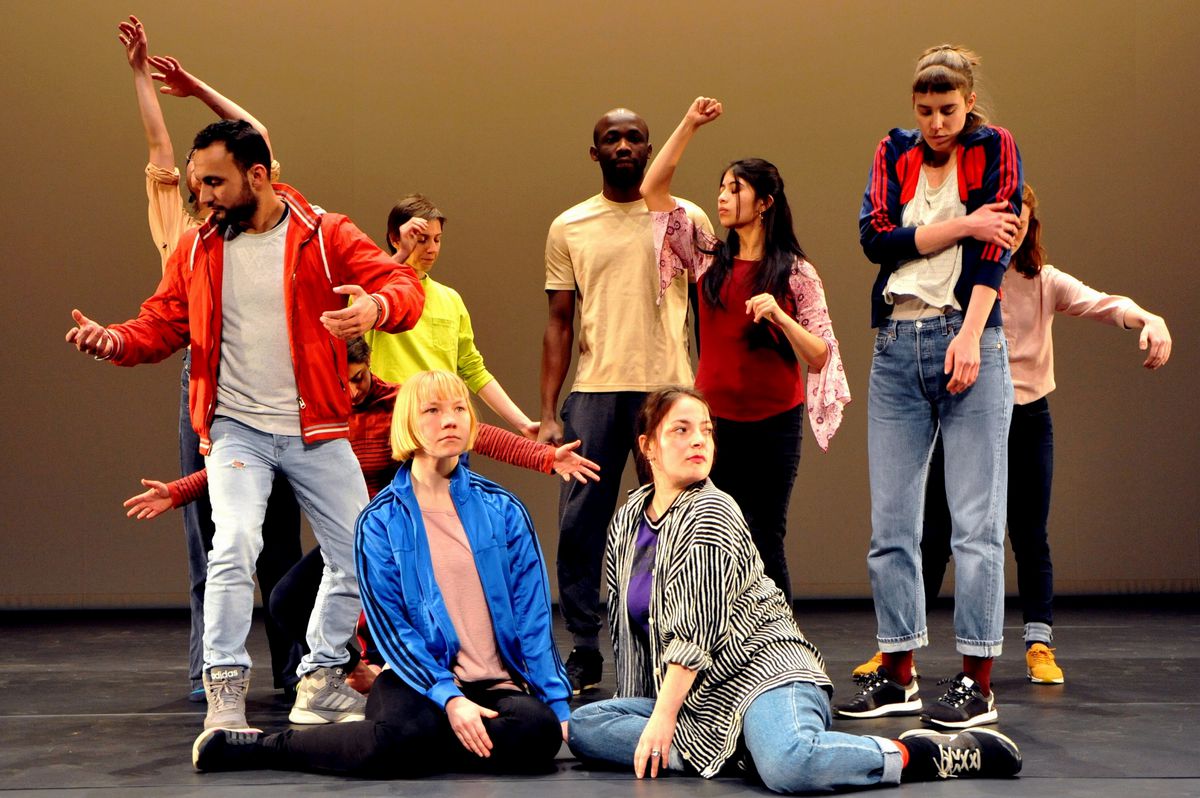
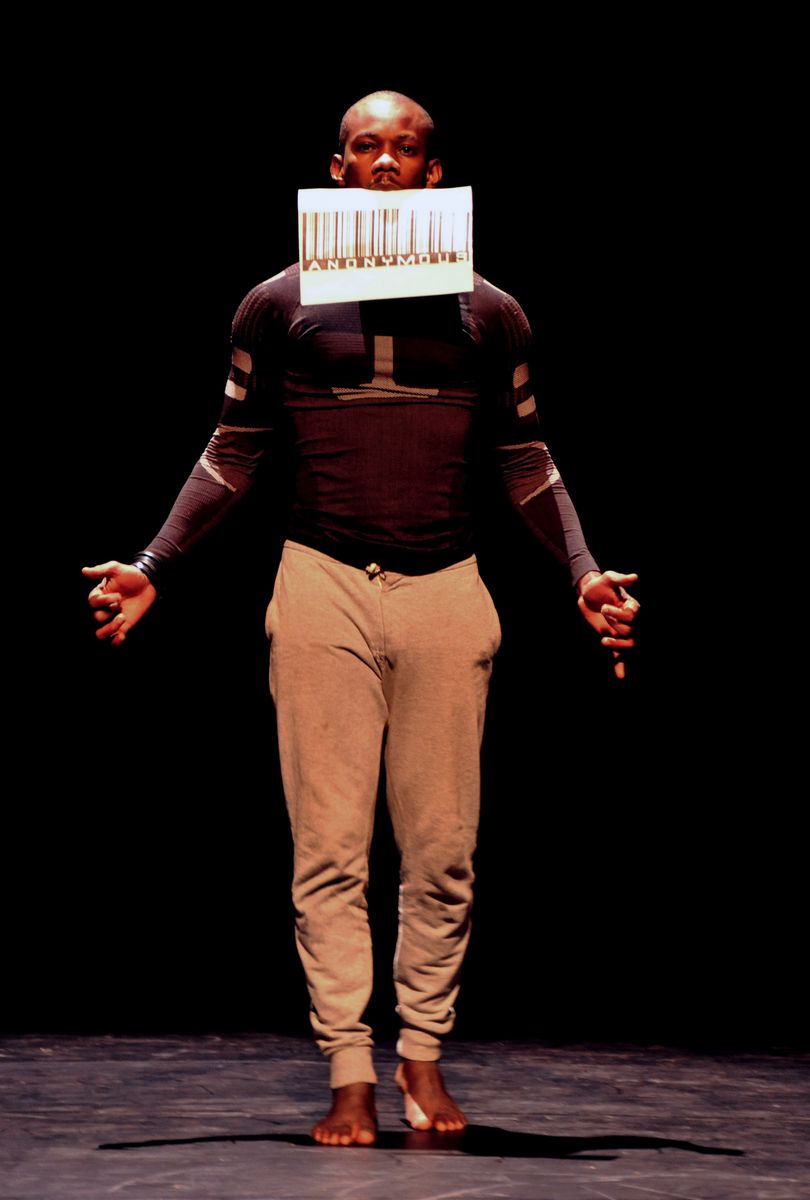
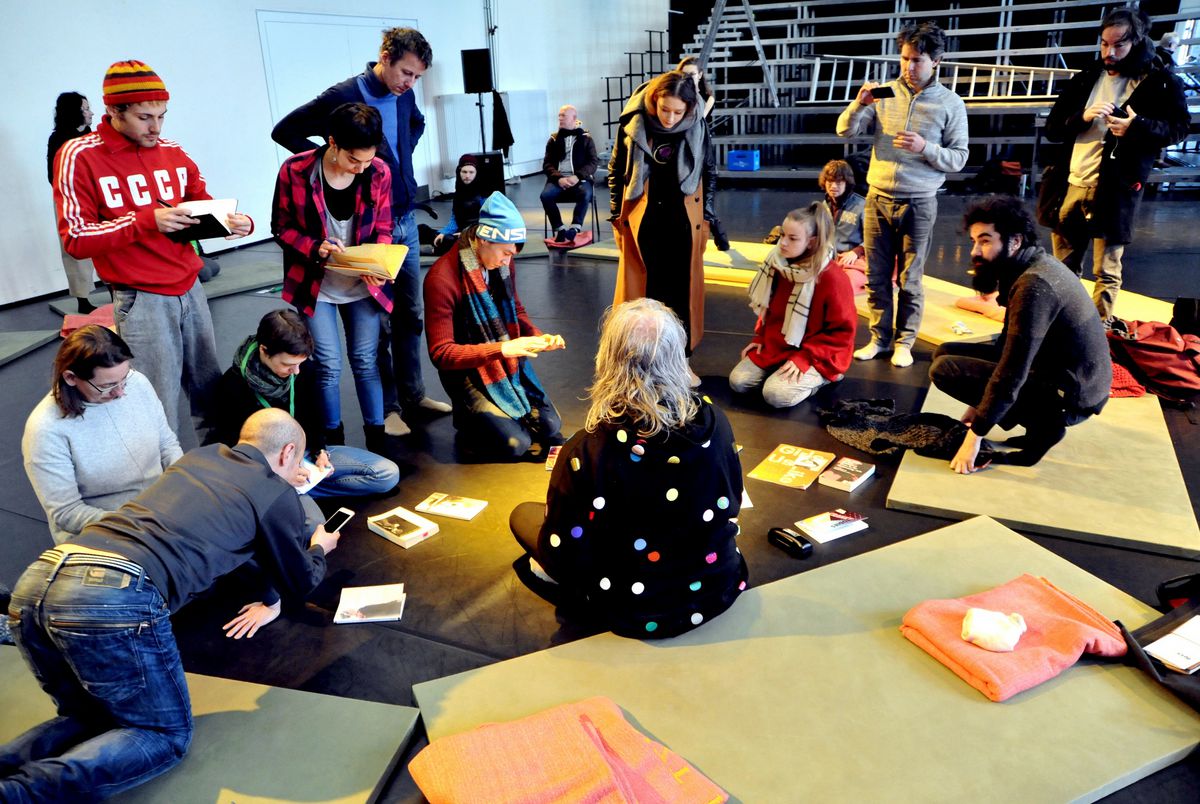
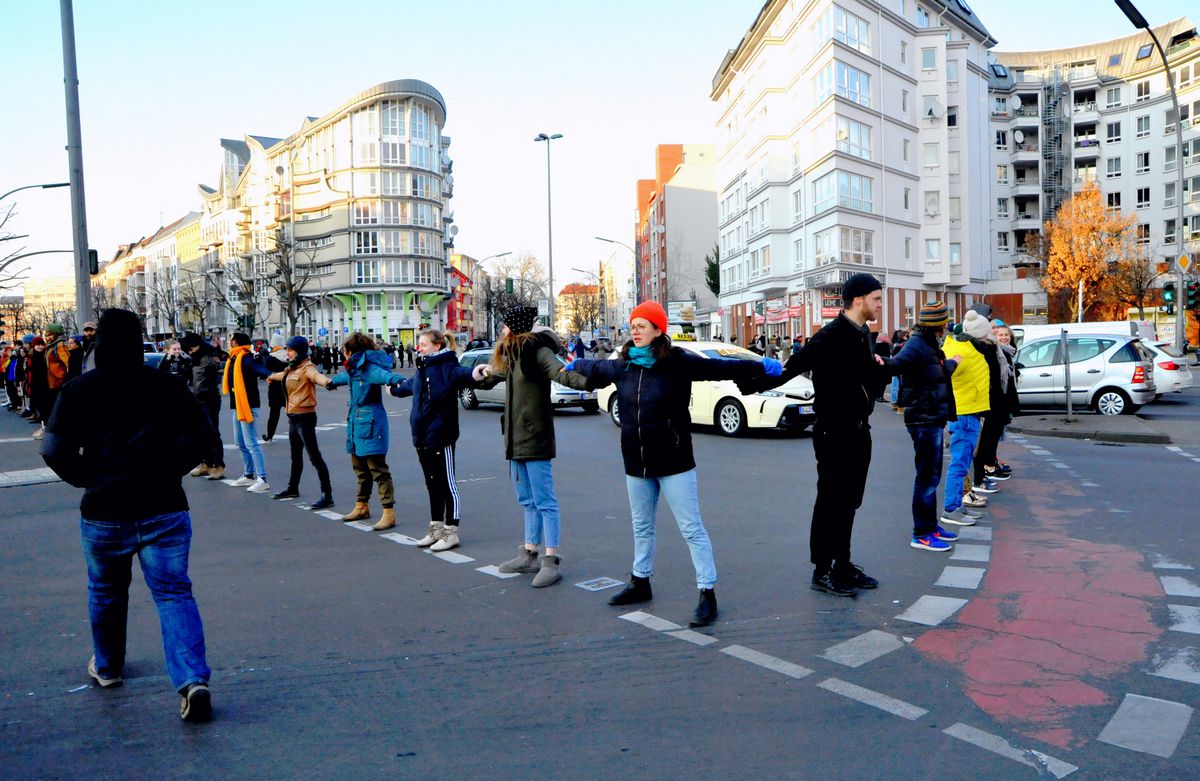
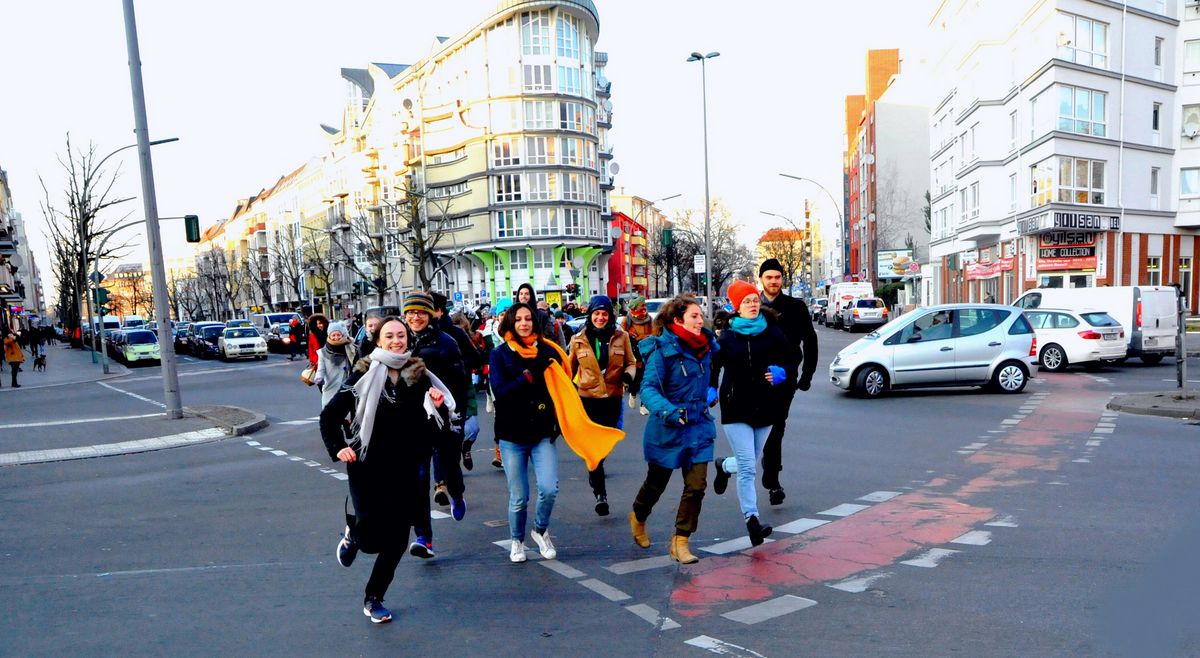
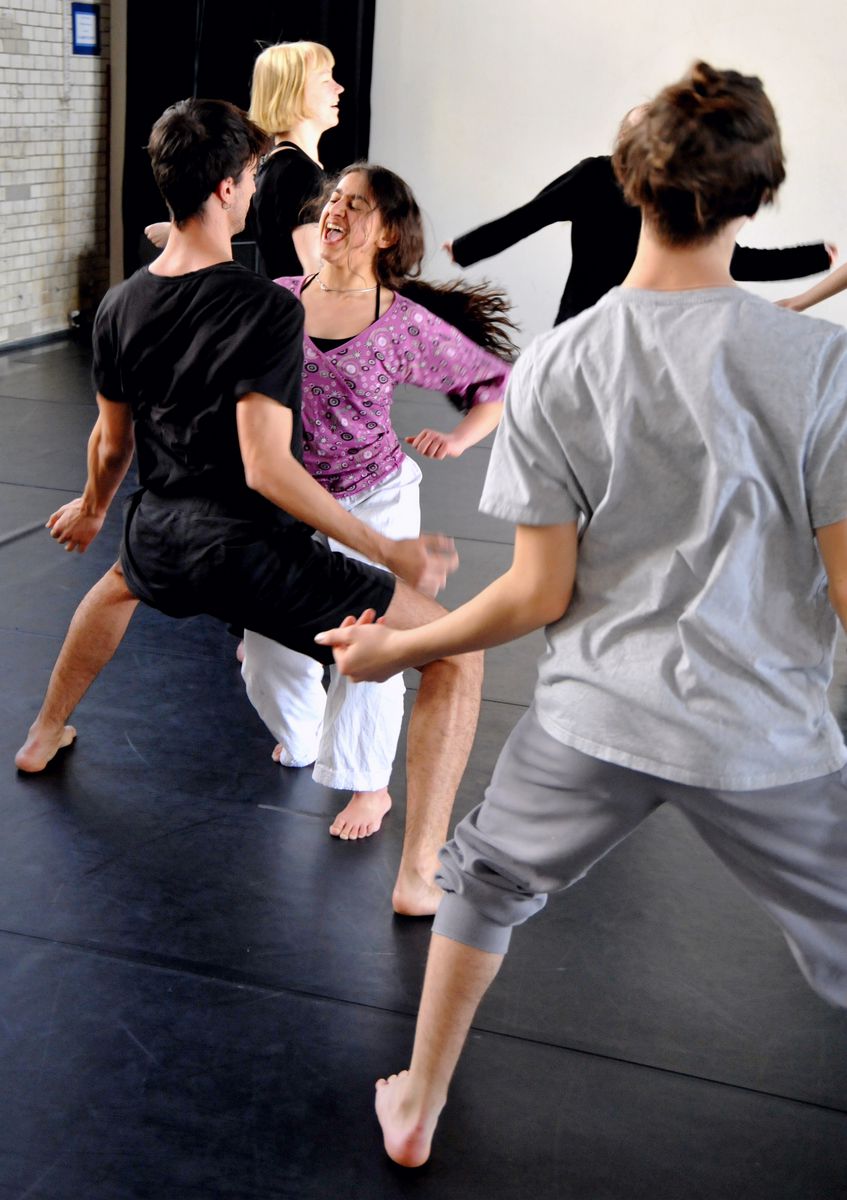
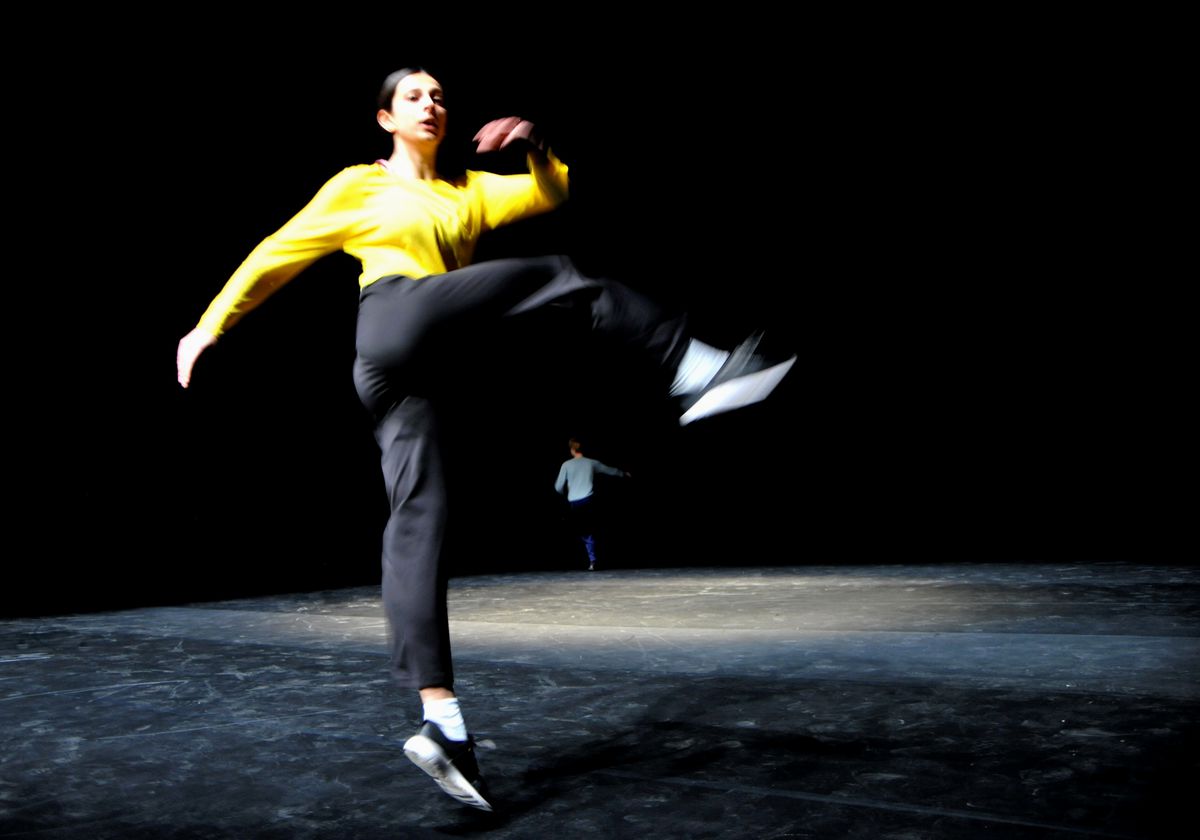
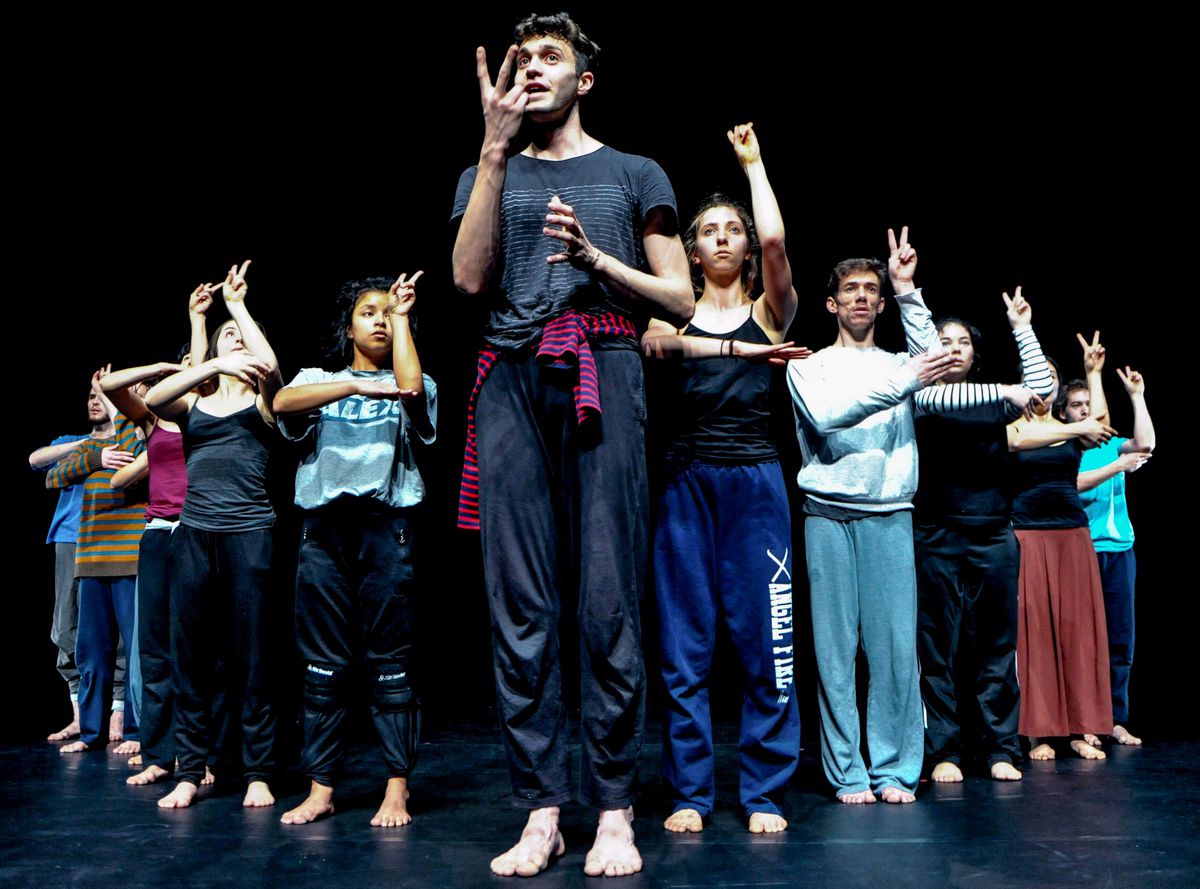
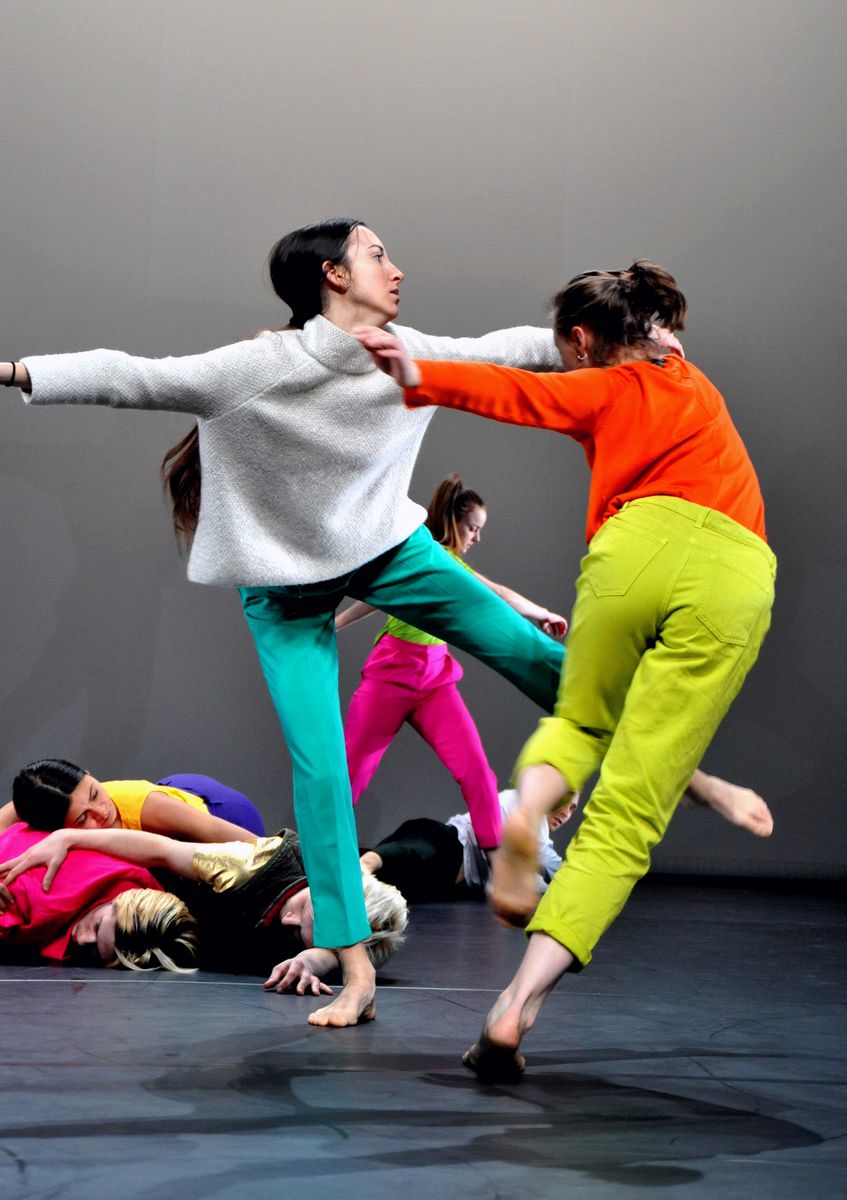
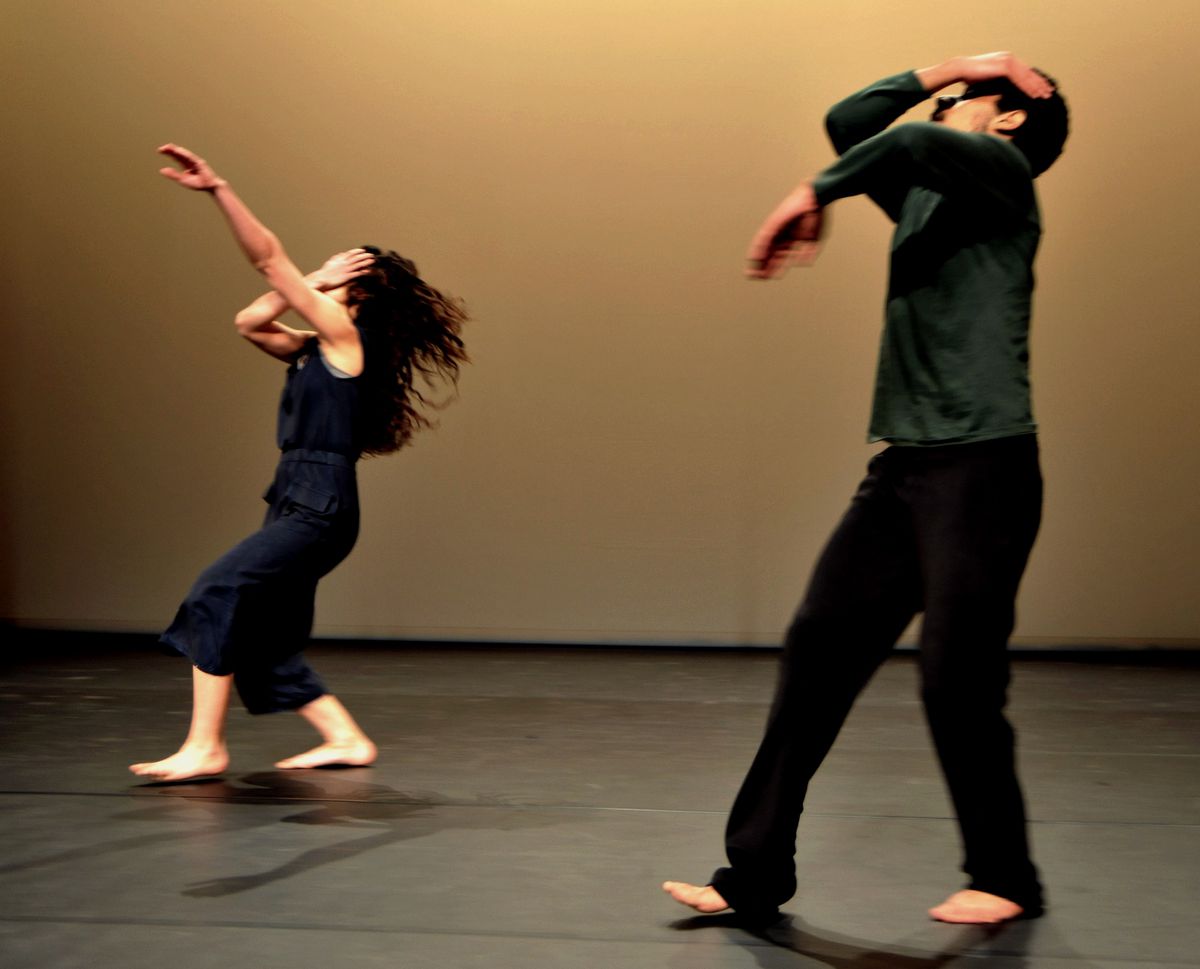
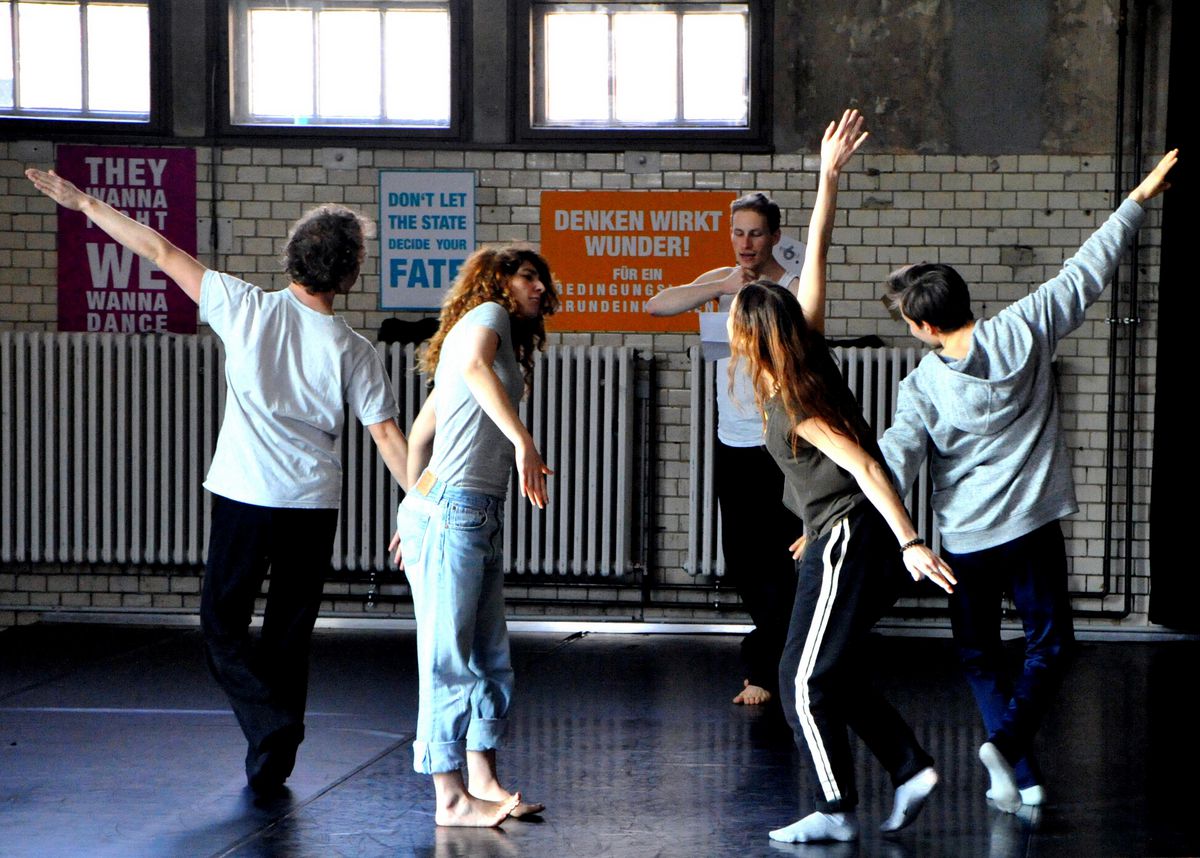
During the Biennale Dance Education 2018, Sheena McGrandles and Diego Agulló conducted a series of formats that concluded with an online video documentary. These formats invited the participants to mutual encounters, initiated open reflections on politics and dance and explored how we perceive and live politics in our everyday lives.
Workbook 6. Biennale Tanzausbildung 2018
“DANCING IN THE STREET. WHAT MOVES DANCE?”
The 6th Dance Education Biennial 2018 brought into focus the mutual relationship between dance and societal and political themes. Under the title “Dancing in the Street. What moves dance?” the political dimensions of dance whether in education, in the studio or on the stage as well as within the political and social contexts in which we live were questioned.
The 6th Dance Education Biennial 2018 was a project of the Dance Education Conference and organised by HZT Berlin. Curated by Prof. Nik Haffner and Britta Wirthmüller. Students and representatives from the state educational institutions for dance in Germany will meet for a one week exchange platform at Uferstudios and for two public performances at HAU Hebbel am Ufer. The biennale gives the participants a forum to grapple with themes and issues relevant to their profession and to familiarise themselves with different approaches to education and work through workshops, trainings, artistic presentations, lectures and discussion formats.
On the necessity of the political in dance education
Sooner or later in their education and professional training, dance students will come into contact with different facets of politics and have to deal with them. For that reason, during the Biennial, the participants are invited to reflect on societal and political matters in their own practice and bring them into discourse. What does it mean to be politically aware in the context of dance education? What is my within my capacity as a dancer and what are my responsibilities? What does it mean to dance here and now? What did it mean in other times and places? Which stimuli does dance give directly or indirectly to society? With which societal and political events are key players within the dance world dealing with and how?
Over the course of history, dance as an art form has claimed its societal and political relevance again and again: whether in the sense of an aesthetic renegotiation of the body and its representations, in the examination of concrete political events or in the communal practicing and passing on of dance forms which can be a model for societal coexistence .
Dance as a medium for social protest and political action
Dance has also – or perhaps especially – repeatedly developed its potential for societal change offstage . And so the first part of the Biennale title is “Dancing in the Street”, harking back to the song of the same name by the US-american group “Martha and the Vandellas”. Released originally in 1964 as a harmless party song, it took on a second meaning as a protest song for African-American demonstrators of the civil rights movement. The call to dance in the streets was perceived, in the USA of the 1960s, as a threat to social order, which lead to many radio broadcasters taking the song out of air play rotation.
The power that emanates not only from dance but also from the silent persevering body was recently demonstrated by the choreographer and dancer Erdem Gündüz in his action “Standing Man”: In 2013 Gündüz stood motionless for 8 hours in Taksim Square in Istanbul while staring at a banner with the portrait of the founder of the Turkish republic, Mustafa Kemal Atatürks. Neither police questioning nor the searching of his trouser pockets and rucksack deterred his peaceful resistance and silent protest in support of freedom of opinion.
These examples show that politics in dance range from the communal experience in the studio to civil disobedience in public spaces. The Dance Education Biennial tries to depict this spectrum by presenting artistic positions and perspectives in workshops for students and in a day-long public conference on the different ways of relating to society and show how they are acted on in and through dance.
Developing ideas for dance education and dance art
The 6th Dance Education Biennial takes the study of the possible social and political spheres of action of dance as an opportunity to ask: In which direction and for what reason should dance education expand in order to fully exploit this potential? What can dance and dance education bring to different aspects of society and which contacts and interfaces need to therefore be established? What are the political and social visions of the next generation of dance creators and how can we best support them so that they can realise them?
The 6. Biennale Tanzausbildung from 26.2. - 5.3.2018 was a project of the Dance Training Conference (AKT). Organized by the Hochschulübergreifendes Zentrum Tanz Berlin. Supported by the Federal Ministry of Education and Research. In cooperation with HAU Hebbel am Ufer, Tanztreffen der Jugend, Sasha Waltz & Guests, TanzRaumBerlin, Jazz Institut Berlin (JIB). With the kind support of the Goethe Institute.
#BiennaleTanzausbildung #DancingInTheStreet #MattersOfEngagement #hztberlin